October 10, 2026


Ask ten people what separates the U.S. Marshals Service from the FBI and most will shrug: both carry federal credentials, both make arrests, both show up in movies. The differences matter more than the similarities. The two agencies sit inside the same department, share the same retirement system, and were built for two very different jobs. If you're weighing a career with either one, start by understanding what each was designed to do.
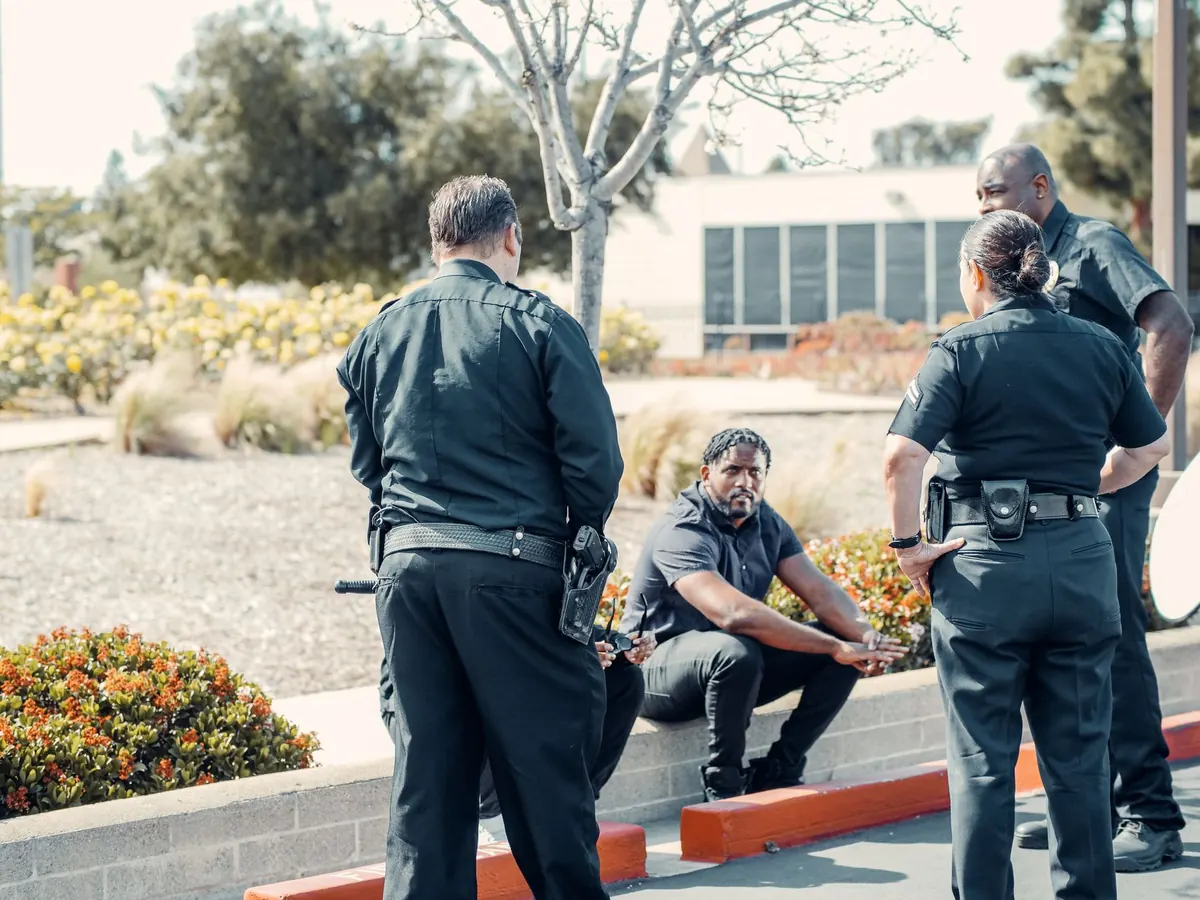
The Marshals Service keeps the federal court system running. Deputies protect judges and courthouses, transport prisoners, serve court orders, safeguard witnesses whose lives are at risk, and hunt people with outstanding federal warrants.
The FBI investigates federal crimes. Agents build cases against terrorism, espionage, cyber intrusions, public corruption, organized crime, financial fraud, and civil rights violations, then hand those cases to prosecutors.
Almost everything else — jurisdiction, schedule, hiring, training, where you live — grows out of that split.
Nobody in either agency patrols a neighborhood. Federal law enforcement authority is issue-based, not geographic.
The FBI's authority flows from the federal criminal code. Agents investigate violations and assemble evidence for a U.S. Attorney's Office. Because the Bureau has no general police power, a case usually needs a federal hook — interstate commerce, a specific statute, a task force partnership — before an agent takes the lead. When a crime belongs to local police, the FBI either steps back or joins through a task force.
Deputy U.S. Marshals get their authority from the courts. Their work is triggered by paper: arrest warrants, writs, subpoenas, court orders, custody documents. When a federal judge signs something, someone has to execute it. That's the Marshals.
Fugitive work is the obvious intersection. Marshals run regional fugitive task forces that include FBI agents, state troopers, and local detectives, and the FBI runs violent crime and gang task forces with deputies assigned to them. In those settings the two agencies can work side by side for months. The practical difference is who owns the case file and whose mandate is being served.
Here's a rough map of who does what.
Both agencies also run violence-reduction operations with state and local partners, and both regularly support each other's work.
A deputy's week can swing hard. Monday might be cellblock and courtroom duty, standing post while hearings run. Tuesday could start at 4 a.m. with a fugitive operation on the far side of the district. Wednesday might mean flying on a prisoner movement detail. Deputies are generalists by design — you learn the courthouse, the street, and the paperwork.
An agent's calendar is built around a case. Surveillance shifts, interviews, grand jury prep, subpoena returns, wiretap monitoring, warrant affidavits, and long meetings with prosecutors. Big investigations move slowly; a single case can run for years. The FBI also offers specialized paths — cyber squads, counterintelligence, violent crime, crisis negotiation, tactical teams — that a deputy's job doesn't mirror in quite the same way.
One more thing worth knowing: not everyone at the FBI carries a gun. Analysts, linguists, evidence technicians, and other professional staff do essential work without an agent badge. The Marshals Service is a smaller, more uniform organization, and most of its sworn workforce is made up of deputies.
Expect a bachelor's degree, at least a couple of years of professional work experience, U.S. citizenship, and a hard age ceiling tied to federal law enforcement retirement rules — you generally have to be appointed before your 37th birthday. The process runs long: an application, interviews, a written and physical fitness test, a polygraph, a medical exam, and a background investigation deep enough to support a top secret clearance. New agents train at the FBI Academy in Quantico, Virginia.
Requirements look similar on paper: citizenship, the same retirement-driven age limit, and a bachelor's degree or qualifying experience that shows you can handle the work. Hiring is competitive and runs through federal job postings. Expect a structured interview, fitness testing, medical and background checks, and basic training at the Federal Law Enforcement Training Centers in Glynco, Georgia.
Two realities apply to both:
Ask yourself what kind of work you want to be good at.
If you want to build investigations — follow leads, work informants, sit on surveillance, testify about a case you assembled from nothing — the FBI is the better fit. If you want enforcement work with variety and a direct link to the courts, where you might serve a warrant in the morning and guard a jury in the afternoon, look hard at the Marshals.
A few practical steps before you apply:
Neither job is the better federal agency. They're different trades that happen to share a building.
Photo: StartupStockPhotos / Pixabay

An almanac for marshals and law enforcement..
Copyright © 2026 The Marshal Manac. All rights reserved. The Marshal Manac.